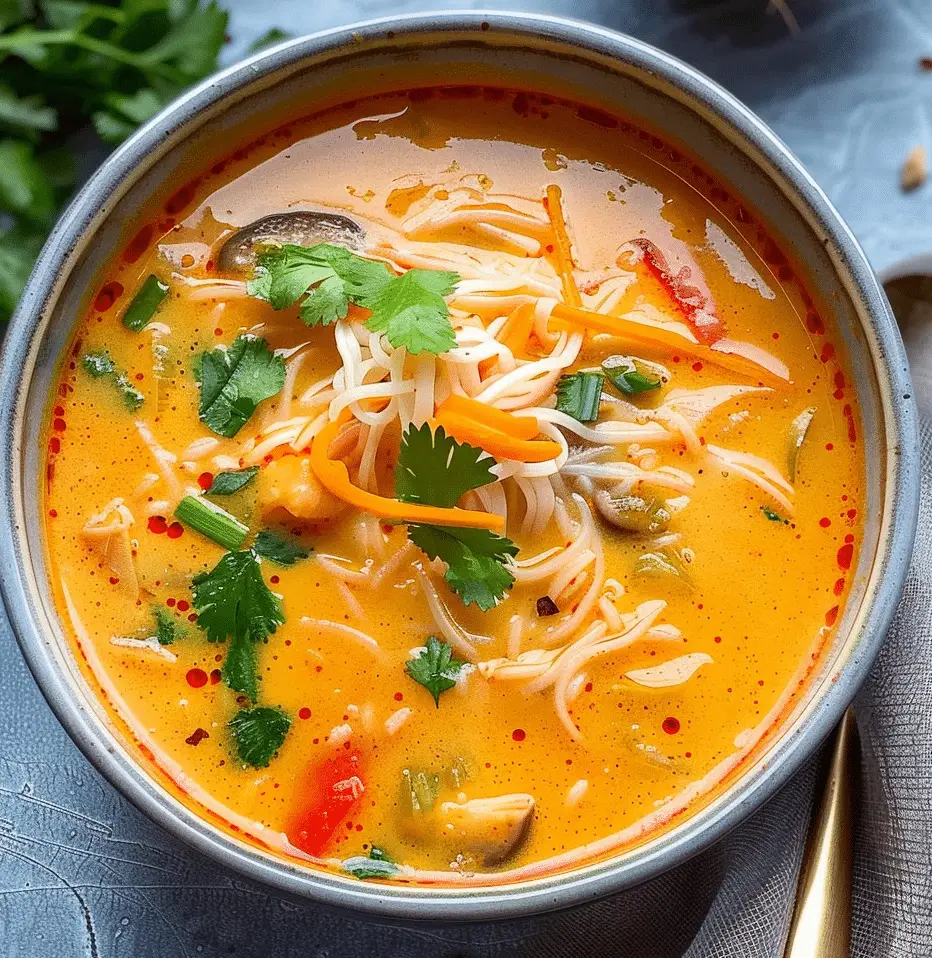
There are few dishes as universally comforting and invigorating as a steaming bowl of Thai coconut curry soup. It’s a symphony of flavors – creamy, spicy, sweet, and tangy – that awakens the senses and wraps you in warmth. More than just a meal, this soup offers a culinary escape, transporting you to the vibrant streets of Thailand with every spoonful. What makes this dish truly exceptional is its inherent flexibility. From adjusting the fiery kick to selecting your favorite proteins and vegetables, mastering the art of customizing your Thai coconut curry soup allows you to create a personalized masterpiece that perfectly suits your palate and mood.
Whether you're battling a winter chill or simply seeking an exotic, aromatic dinner, this guide will empower you to craft the ultimate Thai coconut curry soup, tailored precisely to your taste. Forget rigid recipes; it's time to embrace the freedom of culinary creation.
Building the Aromatic Foundation: Coconut Milk & Broth
The soul of any authentic Thai coconut curry soup lies in its rich, velvety base, which is primarily built upon two critical liquid components: coconut milk and broth. Understanding their roles and making informed choices is paramount for achieving that coveted depth of flavor and luscious texture.
The Creamy Core: Full-Fat Coconut Milk
For a truly indulgent and authentic Thai coconut curry soup, full-fat coconut milk is non-negotiable. It provides the luxurious creaminess and subtle sweetness that defines the dish. The higher fat content translates to a richer mouthfeel and a more pronounced coconut flavor. While light coconut milk might seem like a healthier alternative, be warned: it will significantly diminish both the richness and the complex flavor profile, resulting in a thinner, less satisfying soup. For an unparalleled experience, seek out premium quality coconut milk, often found in specialty Asian markets. These varieties typically boast a higher coconut cream content, yielding an even more decadent base. A good tip is to shake the can; if you hear very little sloshing, it likely has a thicker, more desirable consistency.
The Savory Backbone: Choosing Your Broth
Broth is the liquid backbone that adds savory depth and helps thin the rich coconut milk to a perfect soup consistency. Your choice of broth can subtly steer the flavor profile of your Thai coconut curry soup:
- Chicken Broth: A classic choice, particularly if you're adding chicken or shrimp. It provides a robust, umami-rich foundation that complements poultry and seafood beautifully.
- Vegetable Broth: Ideal for vegetarian or vegan versions, or when you desire a lighter, cleaner flavor that allows the other aromatics to shine. Opt for a good quality vegetable broth that isn't overly sweet or strongly flavored with specific herbs.
- Homemade Broth: If time allows, homemade chicken or vegetable broth will always yield the richest, most complex flavors, elevating your soup to an entirely new level.
- Low-Sodium Broth: Regardless of your choice, always opt for low-sodium broth. This allows you to control the saltiness of your final dish more effectively, especially since ingredients like curry paste and fish sauce contribute significant sodium.
Igniting the Senses: Mastering Spice and Aromatics
This is where the magic truly happens – the interplay of fiery spices and fragrant aromatics that give Thai coconut curry soup its signature character. Customizing this aspect is key to creating a soup that perfectly aligns with your preferred heat level and flavor nuances.
The Heart and Soul: Thai Curry Paste
Thai curry paste is the true star, a concentrated blend of chilies, lemongrass, galangal, garlic, shallots, kaffir lime, and various spices. It's the primary determinant of your soup's spice level and overall flavor profile. There are two main types commonly used:
- Red Curry Paste: Known for its vibrant color and a robust, often spicier kick. It delivers a warming, earthy heat. For a mild to medium spice, start with 2 tablespoons for a typical family-sized pot. For a more fiery experience, gradually increase to 3-4 tablespoons.
- Green Curry Paste: Offers a brighter, more herbaceous, and often hotter flavor profile due to the use of green chilies. It can introduce slightly different aromatic notes, including more pronounced kaffir lime.
Customization Tip: Always start with a conservative amount of curry paste and taste as you go. You can always add more, but you can't easily remove it. High-quality paste makes a significant difference; look for brands with a vibrant color and strong, fresh aroma. Frying the curry paste in a little oil for a minute or two before adding liquids helps to deepen its flavor and release its aromatic oils.
The Brightening Brigade: Fresh Ginger and Garlic
These two fundamental aromatics are indispensable in Thai cuisine and play a crucial role in brightening and enhancing the creamy Thai coconut curry soup:
- Fresh Ginger: Adds a warm, zesty, and subtly spicy counterpoint to the richness of the coconut milk. Its pungent notes cut through the creaminess, preventing the soup from feeling too heavy. Always use fresh ginger, peeled and finely grated or minced, for the best flavor distribution. While ground ginger can be a substitute in a pinch (use about 1 teaspoon for every tablespoon of fresh), it lacks the vibrant punch of its fresh counterpart.
- Garlic: Provides a pungent, savory base that forms the aromatic backbone of countless dishes. Freshly minced garlic, sautéed gently before adding other ingredients, releases its essential oils and contributes a foundational layer of flavor.
Insight: Don't underestimate the power of fresh aromatics. They add layers of complexity that dried or powdered versions simply cannot replicate. For an extra layer of authenticity, consider adding a stalk of bruised lemongrass or a few kaffir lime leaves to the simmering soup, removing them before serving.
Your Culinary Canvas: Customizing Proteins & Vegetables
One of the most appealing aspects of Thai coconut curry soup is its incredible adaptability when it comes to main ingredients. Think of the rich, aromatic broth as your canvas, ready to be adorned with your favorite proteins and a vibrant medley of vegetables.
Protein Powerhouses: Tailoring to Your Preference
The protein you choose can dramatically alter the character and heartiness of your soup. The key is to add proteins at the right time to ensure they cook through without becoming tough or overdone.
- Chicken: Cubed chicken breast or thigh is a classic choice. Sauté it briefly until lightly browned before adding the liquids, or simmer it directly in the soup until cooked through and tender.
- Shrimp: For a quick-cooking and delicious option, add peeled, deveined shrimp in the last few minutes of simmering, just until they turn pink and opaque. Overcooked shrimp can be rubbery.
- Tofu/Tempeh: Excellent for vegetarian and vegan versions. Press extra-firm tofu to remove excess water, then cube and pan-fry until golden before adding to the soup, or simply simmer it directly. Tempeh can be crumbled or cubed and also benefits from a quick sear.
- Other Options: Thinly sliced pork or beef can also be used, added towards the end of cooking to maintain tenderness.
Vegetable Variety: A Rainbow of Flavors and Textures
This is where you can truly get creative and incorporate seasonal produce or whatever you have on hand. Aim for a mix of textures and colors.
- Mushrooms: Sliced cremini, shiitake, or even oyster mushrooms add an earthy, umami depth. Add them early to cook down.
- Bell Peppers: Sliced red, yellow, or orange bell peppers provide sweetness and a slight crunch. Add them mid-way through cooking.
- Leafy Greens: Spinach, baby bok choy, or kale can be added in the final minutes of cooking, allowing them to wilt into the hot soup.
- Root Vegetables: Thinly sliced carrots or sweet potatoes can add a comforting sweetness and heartiness. Add these earlier in the cooking process.
- Other Favorites: Bamboo shoots, baby corn, green beans, or snow peas are all fantastic additions, offering diverse textures and flavors.
Chef's Tip: Consider the cooking times of your chosen vegetables. Harder vegetables (carrots, sweet potatoes) go in earlier, while softer, quick-cooking ones (spinach, bell peppers, snow peas) should be added closer to the end to prevent them from becoming mushy.
The Finishing Flourish: Garnishes for Authenticity and Zing
While the base of your Thai coconut curry soup provides comforting warmth and complex flavors, the garnishes are the flourish that elevates it from good to truly extraordinary. They introduce fresh textures, vibrant aromas, and essential balancing elements that cut through the richness and heat.
- Fresh Lime Juice: Absolutely non-negotiable! A generous squeeze of freshly squeezed lime juice just before serving is transformative. It brightens the entire soup, adding a crucial tangy note that balances the creamy coconut and the spicy curry.
- Fresh Cilantro: Chopped fresh cilantro provides a burst of herbaceous freshness and a beautiful visual appeal. Its slightly peppery, citrusy notes complement the curry flavors perfectly.
- Thai Basil: If you can find it, fresh Thai basil offers a distinct licorice-like aroma that is truly authentic and adds another layer of complexity. It's distinct from Italian basil, so seek it out for an authentic touch.
- Chili Flakes or Sliced Fresh Chilies: For those who love an extra kick, a sprinkle of red chili flakes or a few thinly sliced bird's eye chilies can be added directly to individual bowls, allowing everyone to customize their heat level.
- Crispy Fried Shallots: These golden, crunchy morsels offer a delightful textural contrast and a sweet, savory depth. You can buy them pre-made or easily fry your own.
- A Drizzle of Chili Oil: For an extra layer of heat and a glossy finish, a swirl of chili oil can be a welcome addition.
- Accompaniments: Serve your Thai coconut curry soup with a side of steamed jasmine rice to soak up every last drop of the flavorful broth, or with rice noodles for a more substantial meal.
Mastering Thai coconut curry soup is less about following a rigid recipe and more about understanding the interplay of its core components. By thoughtfully selecting your coconut milk and broth, controlling the spice of your curry paste, experimenting with fresh aromatics, and customizing your proteins and vegetables, you unlock a world of culinary possibilities. The final touch of fresh garnishes brings everything into perfect harmony, delivering a bowl that is not just a meal, but an experience. So, step into your kitchen, embrace the warmth, and create a truly personalized Thai coconut curry soup that will become your ultimate go-to for comfort, flavor, and a little bit of exotic bliss.
